
As millions of children and young people return to classrooms this September, Vodafone Foundation is expanding programmes across Europe that help them develop the skills, confidence and support they need to thrive in an increasingly digital world.
The announcement comes at a time of growing attention from educators, parents, policymakers and technology providers on how to create healthier digital childhoods. While technology can unlock learning, creativity, opportunity and connection, many young people continue to face challenges navigating their digital lives. Research published by Vodafone Foundation earlier this year found that 30% of young people across Europe report frequently feeling stressed by being online.
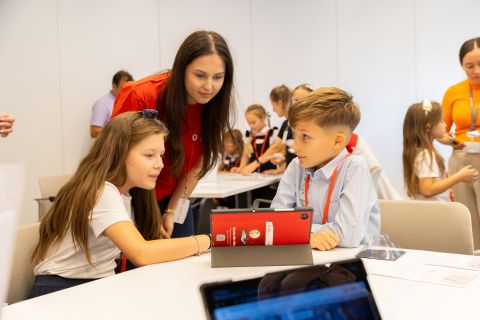
Through Skills Upload Jr (SUJ), Vodafone Foundation and local partners are working with schools, teachers and communities to strengthen children's digital wellbeing, helping young people build digital skills, critical thinking, healthy digital habits and the confidence to participate safely, responsibly and positively online. SUJ is currently delivered across Portugal, Germany, Romania, Greece, Albania and Türkiye through partnerships with schools, education authorities, researchers and educational organisations.
This year, the start of the school year is marked by a series of local programme milestones demonstrating how digital wellbeing is being translated into practical action for children, teachers and families across Europe.
Creating healthier digital childhoods is a shared responsibility
Vodafone Foundation's new Digital Wellbeing Framework recognises that helping young people thrive online cannot be achieved by schools or families alone. It requires action from educators, parents, policymakers, civil society organisations, technology providers and young people themselves.
Digital wellbeing is about more than online safety. It involves helping young people develop the skills, understanding, confidence and agency they need to learn, create, connect, participate and make informed choices in digital environments. By bringing together local SUJ initiatives under a shared framework, Vodafone Foundation aims to contribute practical educational solutions that support children's wellbeing in a rapidly evolving digital world.
Local programme highlights include:
- In Portugal, local SUJ programme DigitALL begins the new school year with growing national recognition, including the High Endorsement of His Excellency the President of the Portuguese Republic and newly accredited teacher training programmes that support educators in developing students' digital literacy, citizenship and wellbeing skills.
- In Albania, Vodafone Foundation is launching the next phase of SUJ through the introduction of its local online educational platform DijaON, delivered in partnership with the British Council. The initiative will provide new digital learning opportunities for young people and teachers, through accredited educational content and strengthened local partnerships.
- In Germany, Coding For Tomorrow is expanding into additional regions, particularly Eastern Germany, increasing access to digital learning opportunities for young people from disadvantaged backgrounds. Registrations from priority schools for this academic year’s workshops have more than doubled to 80 percent.
- In Greece, Generation Next is expanding beyond the classroom through a series of Pop-Up Labs across five cities, bringing digital wellbeing, STEM and AI learning experiences directly to communities across the country.
- In Romania, Școala din viitor is expanding through new partnerships and community engagement activities. A new collaboration with the National Police School Safety Directorate will help bring digital wellbeing and online safety resources to schools across the country, while activities involving children, parents and families promote positive digital habits.
- In Türkiye, Vodafone Foundation is launching a new digital wellbeing programme, helping young people build healthier and more positive relationships with technology through locally adapted educational content and community-led delivery.
Alongside these local programmes, Vodafone Foundation is making a range of practical resources available to support schools, teachers and families during the new academic year. These include classroom discussion guides and learning materials designed to help young people reflect on how technology can support learning, creativity, participation, wellbeing and positive behaviour.
Programme monitoring highlights the impact of these efforts. Across participating schools, 99.7% of students improved their digital skills, while 97.9% strengthened competencies such as creativity, collaboration and critical thinking. Among teachers, 95.0% improved their digital capabilities and 95.4% reported improvements in their teaching practice.
By connecting local initiatives across Europe, Vodafone Foundation hopes to support a broader conversation about what children need to thrive in a digital age and how education systems can respond to the opportunities and challenges that technology brings.
Lisa Felton, Managing Director Vodafone Foundation, said: “Across Europe, there is a growing conversation about what childhood looks like in a digital age. We need to move beyond a debate focused solely on screentime or online risks and focus on what helps young people genuinely thrive. Digital wellbeing is about giving children the skills, confidence, critical thinking and support they need to use technology positively, responsibly and safely. Achieving that requires action from all of us, including schools, families, policymakers, technology companies and communities. Through Skills Upload Jr, we are helping turn that ambition into practical action for hundreds of thousands of young people across Europe.”
Gloria Placer, Head of European Programmes at Vodafone Foundation, said: “Teachers and schools across Europe are looking for practical ways to support young people in an increasingly complex digital environment. Skills Upload Jr combines digital skills, wellbeing and educational opportunity through teacher training, classroom resources and innovative learning experiences. The milestones we are announcing this school year demonstrate how local programmes are growing, reaching new communities and helping more young people build the confidence, resilience and skills they need for the future.”
More stories