

By Guillaume Boutin, CEO Vodafone Investments and Strategy – Vodafone Foundation Skills Upload Jr Ambassador
“Dad, could you give me more time on Snapchat?”
Like most parents, I hesitate. Not because I don’t trust my children, but because there is no clear playbook. The digital world is moving faster than the guidance we have to help young people navigate it safely and confidently.
At home, this plays out in everyday decisions. We are constantly trying to figure out when devices are useful, when they become a distraction, and when it’s time to switch off.
For my kids, the digital world is simply part of life. Just like reading a book or playing sport. It’s where they spend time with friends, explore interests and learn. But it also brings pressures and risks that can be difficult to step away from.
Recent research from Vodafone Foundation and Save the Children reflects this. A survey of more than 7,500 13–18-year-olds across nine European countries found that only one in four describe their digital wellbeing as good or high. Thirty percent say they often feel stress linked to being online, and almost half worry about missing out when they disconnect.
Many young people spend time in online spaces designed to keep them scrolling. Over time, this can affect sleep, concentration and confidence. And while many are comfortable using technology, they do not always feel safe or supported.
They are also exposed to hostility, misinformation and, in the worst cases, dangerous content no child should ever see.
The challenge is becoming more complex as AI becomes embedded in the platforms young people use every day, shaping what they see, how they interact, and what they trust. GenAI is accelerating this shift, appearing as chatbots, assistants and search tools inside familiar apps.
These tools support learning and creativity, but also introduce new risks. From misinformation and harmful content at scale to systems that feel human, making them harder to question.
There are also concerns around privacy, data use and how children share personal information. At the same time, AI is rapidly reshaping the world of work, changing the skills they will need and the opportunities available to them,
If we want to respond properly, we need to understand how young people experience the online world.
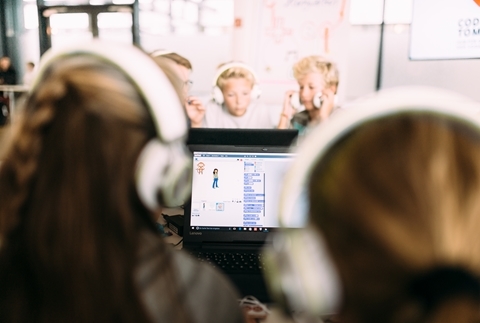
This became clear when I helped judge the finalists of the Skills Upload Jr Challenge, a Europe‑wide initiative run by Vodafone Foundation, inviting students aged 11 to 16 to design solutions for digital wellbeing and healthier online relationships.
Many of the participants spoke about the challenge of always being “on”, and how difficult it can be to switch off. What stood out was how thoughtfully they responded.
One group built an AI-based tool that recognises when a student is stressed and responds with personalised calming music. Others explored how digital tools could help young people express their feelings, while prompting trusted family members to check in when needed.
Another team focused on the physical effects of screen use, suggesting simple ways to build healthier habits.
Each submission proved that when given the chance, young people won’t just tell us what needs fixing, they will come up with the solutions themselves. I’m looking forward to sharing the winners with you soon.
For those of us working in technology, education or policy, the conversations about the platforms, tools, and systems young people rely on cannot stay theoretical. It’s clear that every product decision that touches a child’s life should pass a digital wellbeing test first.
There may never be a perfect playbook for growing up online. Young people themselves are already writing the first chapter. Our responsibility is to firmly give them the pen.
As for the next time one of my kids is asking for more screentime, I will listen and ask better questions, because often they understand the problem better than we think.
More stories



m-mama reaches 250,000 lifesaving emergency transports for pregnant women and newborns
5 minute read