
By Lisa Felton, Managing Director, Vodafone Foundation
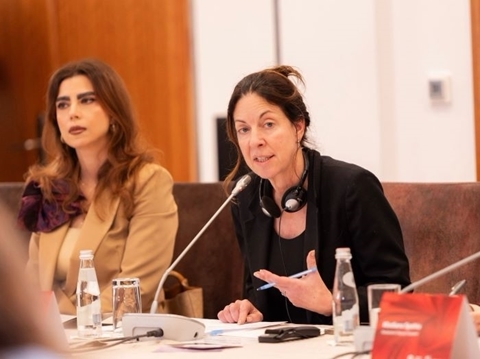
Periods of deep instability strip systems back to their core, exposing what no longer works and creating the conditions where new approaches can finally take hold. This week felt like one of those moments with a Milken Institute roundtable hosted by Vodafone Foundation and many meetings and events at Skoll.
Across conversations and sessions, it was clear there are systems under strain. The mood was sober at times, even bleak. But alongside that came something important: a willingness to try different models, explore unfamiliar partnerships, relinquish control, and accept compromise in pursuit of impact.
It was striking how often it was acknowledged that the old ways of working are increasingly ill‑suited to the scale and complexity of today’s challenges. Instead of fragmented funding, short‑term pilots and tightly held ownership, there is growing openness to collaboration that is deeper, messier and more distributed, but ultimately more impactful.
Some stand-out examples
That shift was tangible at an event hosted jointly by GiveDirectly, Humanitarian OpenStreetMap and Elma Philanthropies, which exemplified a deliberate effort to work differently. There was a shared ambition to challenge established models, actively test new forms of collaboration, and move faster by being more open, more experimental and more honest about what does and does not work.
What struck me personally was how present funders like Elma were in the conversation - not simply in the background, but actively engaging, asking questions, and helping to create space for experimentation and managed risk. Seeing that closeness between funders and practitioners changed the tone of the discussion. It made me reflect on how differently partnerships feel when the focus is genuinely on shared outcomes.
A strong thread running through many of the sessions was the importance of local leadership and sustainable change. Again and again, the evidence points to shifting power and funding closer to communities: supporting refugee‑led organisations, investing in local partners, and backing organisations embedded on the ground who understand context, culture and constraints.
There were also moments where the work of some truly impressive organisations stood out. I was particularly struck by Learning Equality’s work as an education partner, developing AI to coach and support teachers in low‑resource settings, helping improve learning outcomes at scale. Kiva’s evolving approach to financial inclusion showed how technology‑enabled platforms can unlock capital and opportunity for underserved communities in ways that strengthen dignity and agency.
We need patience, accountability and shared investment
These conversations inevitably makes me reflect on our own approach at Vodafone Foundation. Our work combines funding with the design and delivery of programmes, fundraising alongside partners, and long‑term commitment to the places and communities we serve. That way of working is not easy: partnership at this depth requires patience, shared accountability and sustained investment. But it also enables durability, learning and scale and it closely reflects many of the shifts now emerging across the wider philanthropic system.
This is an area where Vodafone Foundation already has deep experience. Our model, working through local foundations, with local communities designing and implementing programmes, allows us to operate at scale while remaining responsive to lived realities. Increasingly, we are also shifting funding towards local organisations and embedding programmes within government systems, recognising that patient capital and ownership matter as much as speed and reach.
These conversations have strongly reinforced my belief that collaboration is the future of corporate philanthropy. By collaboration, I mean a disciplined commitment to shared outcomes, pooled resources, and collective learning. This means letting go of visibility in some cases, accepting slower progress in others, and trusting partners to lead.
For me, this week was a reminder that lasting impact rarely comes from doing more of the same. It comes from being willing to work differently, share power, and stay committed over the long term. And in moments like this, when systems are under real strain, that willingness matters more than ever.
More stories